
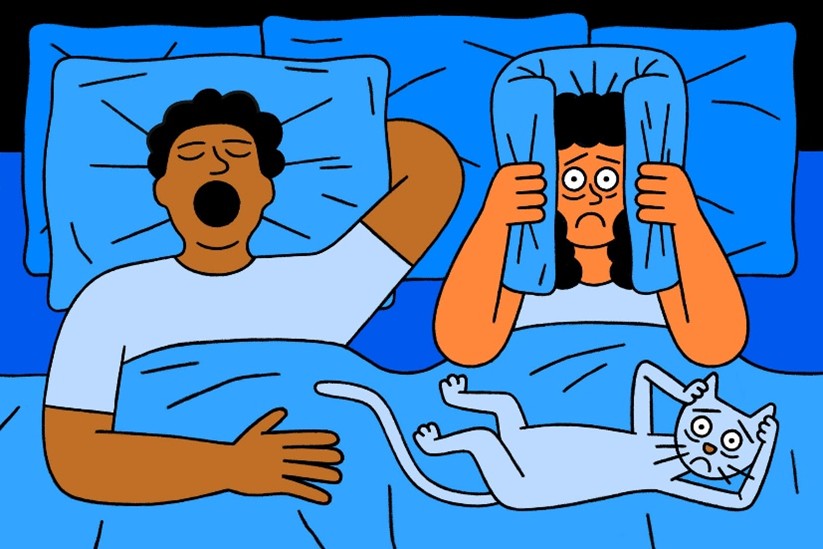
Snoring

Snoring can sometimes be linked to nasal congestion caused by allergies. Learn how airway inflammation affects breathing during sleep.

Allergy-Related Causes of Snoring

Snoring is a common problem in Australia, affecting people of all ages. While it is often associated with sleep position, weight, or sleep apnoea, allergies are a frequently overlooked cause of snoring, particularly in a country with high rates of allergic disease.

How Allergies Cause Snoring

Allergies trigger inflammation in the upper airways. When the nasal passages and throat become swollen or congested, airflow during sleep is restricted. This causes the surrounding tissues to vibrate, producing the sound of snoring.

The main allergy-related mechanisms include:

  • Nasal congestion – blocked or narrowed nasal passages force breathing through the mouth
  • Post-nasal drip – mucus dripping down the throat irritates tissues and increases vibration
  • Swollen nasal turbinates – enlarged structures inside the nose reduce airflow
  • Inflammation of the soft palate and throat – increases airway collapse during sleep

Common Allergens in Australia

Australia’s climate and environment expose people to a wide range of allergens that can worsen snoring, including:

  • Grass pollens (especially ryegrass, common in spring)
  • Tree pollens (such as birch, wattle, and melaleuca)
  • House dust mites, which thrive in humid coastal regions
  • Mould spores, particularly after heavy rain or flooding
  • Animal dander, especially from cats and dogs

Seasonal allergic rhinitis (hay fever) is extremely common in Australia and often peaks in spring and early summer, when many people notice their snoring worsens.

Allergic Rhinitis and Sleep Quality

Allergic rhinitis does not just cause snoring — it can significantly disrupt sleep. People with untreated allergies may experience:

  • Loud or chronic snoring
  • Frequent nighttime awakenings
  • Dry mouth and sore throat in the morning
  • Daytime fatigue and poor concentration
  • Worsening of asthma symptoms overnight

In children, allergy-related snoring can sometimes be mistaken for behavioural or learning issues due to poor sleep quality.

Allergies vs Sleep Apnoea

Allergy-related snoring can sometimes mimic or worsen obstructive sleep apnoea (OSA). Nasal obstruction increases airway resistance, making apnoea events more likely in susceptible individuals. Treating underlying allergies may reduce snoring and improve sleep apnoea severity, though medical assessment is essential.

Managing Allergy-Related Snoring

Effective allergy management often leads to significant improvement in snoring. Strategies may include:

  • Allergen avoidance (dust mite covers, washing bedding in hot water, keeping windows closed during high pollen days)
  • Nasal saline rinses to clear allergens and mucus
  • Non-sedating antihistamines
  • Intranasal corticosteroid sprays to reduce inflammation
  • Allergy testing and specialist referral for persistent symptoms
  • Allergen immunotherapy (desensitisation) in appropriate cases

Maintaining good sleep hygiene and treating nasal congestion before bedtime can also help.

When to Seek Medical Advice

Snoring should not be ignored, especially if it is loud, persistent, or associated with:

Breathing pauses during sleep

Gasping or choking at night

Excessive daytime sleepiness

Poor concentration or mood changes

An Australian GP or allergy specialist can assess whether allergies are contributing to snoring and rule out more serious sleep disorders.

Conclusion

Allergies are a common and treatable cause of snoring in Australia. With high exposure to pollens, dust mites, and environmental allergens, many Australians experience disrupted sleep due to untreated allergic inflammation. Identifying and managing allergies can improve not only snoring, but overall sleep quality and daytime wellbeing.

Instant access to allergy care

Breathe Easier
With Expert Allergy Care

From quick online questionnaires to one-on-one consultations, we’re here to help you uncover triggers and find lasting relief.