
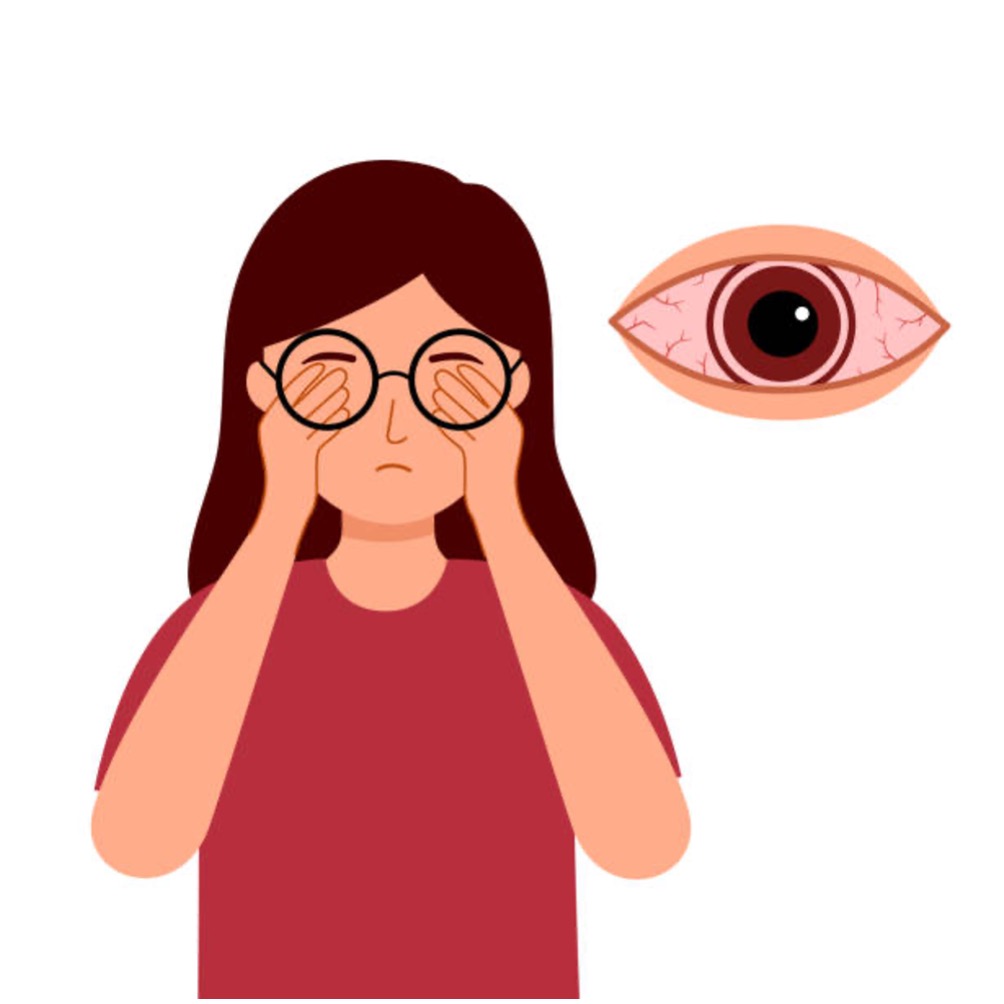
Itchy Eyes

Itchy eyes are a common sign of allergic reactions. Learn how allergens irritate the eyes and discover ways to soothe discomfort.

Itchy Eyes and Allergies: What Australians Need to Know

Itchy, red, or watery eyes are a common complaint among Australians, particularly during allergy season. These symptoms are often caused by allergic conjunctivitis, an eye condition triggered by allergens such as pollen, dust mites, mould, or animal dander.

What Causes Allergy-Related Itchy Eyes?

Allergic itchy eyes occur when the immune system overreacts to harmless substances in the environment. When allergens come into contact with the eyes, the body releases histamine, leading to inflammation and irritation.

In Australia, common triggers include:

  • Grass and tree pollen (especially during spring and early summer)
  • Dust mites (common year-round, particularly indoors)
  • Mould spores (more common in humid or rainy conditions)
  • Pet dander
  • Smoke and air pollution, including bushfire smoke

Common Symptoms

People with allergy-related eye symptoms may experience:

  • Persistent itching (often affecting both eyes)
  • Redness or bloodshot eyes
  • Watery or teary eyes
  • Burning or stinging
  • Swollen eyelids
  • Sensitivity to light

Seasonal vs Year-Round Eye Allergies

  • Seasonal allergic conjunctivitis is most common during high pollen periods, particularly in spring.
  • Perennial (year-round) allergic conjunctivitis is usually triggered by indoor allergens like dust mites or pets.

Australia’s long pollen seasons and changing climate can mean symptoms last longer or are more severe for some people.

When to See a Health Professional

You should seek medical advice if: These may indicate an infection or another eye condition requiring different treatment.

Symptoms are severe or persistent

Vision is affected

There is eye pain or discharge

Symptoms do not improve with treatment

The affected person is a child
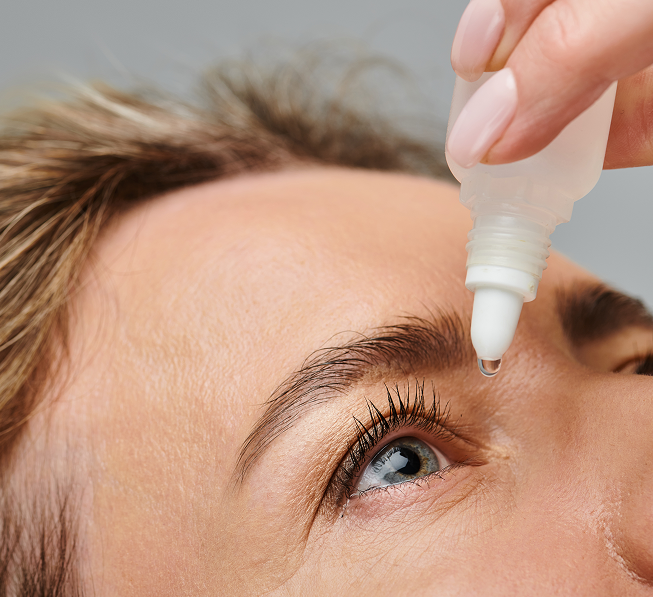
How Are Allergy-Related Itchy Eyes Treated?

Treatment depends on symptom severity and frequency. Options may include:

Avoiding Triggers

  • Keep windows closed on high-pollen days
  • Wear sunglasses outdoors to reduce pollen exposure
  • Shower and change clothes after being outside
  • Reduce indoor dust and mould

Medications

  • Antihistamine eye drops to reduce itching and redness
  • Mast cell stabiliser eye drops for longer-term control
  • Oral antihistamines if eye symptoms occur with hay fever
  • Lubricating (artificial tear) drops to flush out allergens

Always seek advice from a pharmacist, GP, or eye care professional before starting treatment, especially for children.

Living With Eye Allergies in Australia

Managing allergic itchy eyes often requires a combination of trigger avoidance and appropriate treatment. With Australia’s diverse climate and high pollen exposure, early recognition and proactive management can significantly improve comfort and quality of life.

If you suspect allergies are affecting your eyes, speak to your healthcare provider about the best management plan for your symptoms.

Instant access to allergy care

Breathe Easier
With Expert Allergy Care

From quick online questionnaires to one-on-one consultations, we’re here to help you uncover triggers and find lasting relief.