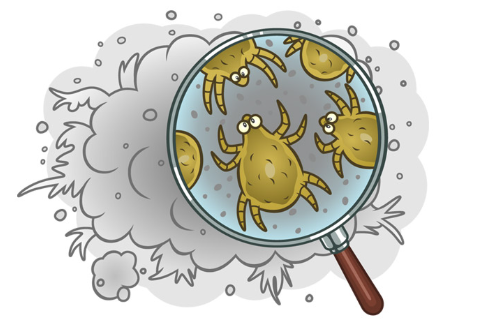
Dust mites are a common trigger for allergic rhinitis, more commonly known as hay fever. Allergic rhinitis is one of the most widespread allergic conditions in Australia, affecting around one in five people. Despite its name, it is not caused by hay and does not involve a fever.
Allergic rhinitis occurs when the lining of the nose and/or eyes comes into contact with allergens in the environment. These allergens may include pollen, mould spores, animal dander and house dust mites. Dust mites are microscopic creatures that live in household dust and thrive in warm, humid environments, particularly in bedding, carpets and upholstered furniture.
When a person who is allergic inhales or comes into contact with dust mite allergens, their immune system overreacts. Although these allergens are harmless to most people, the immune system of an allergic person identifies them as a threat and releases chemicals such as histamine. This immune response leads to symptoms including sneezing, a runny or blocked nose, itchy nose or throat, and watery or irritated eyes.