Ongoing sinus pressure, congestion and facial discomfort may indicate chronic rhinosinusitis. Learn how persistent inflammation affects the sinuses and what treatments may help.
Sinusitis is inflammation of the lining of the sinuses.
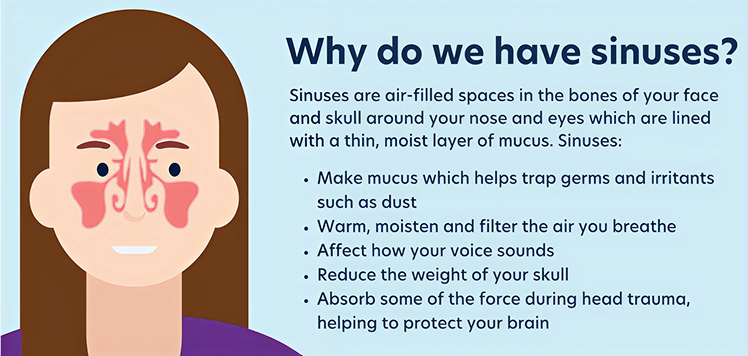
The sinuses are hollow spaces located behind the nose, around the eyes, and within the cheekbones.
Rhinitis is inflammation of the lining of the nose.
The nose and sinuses are connected by narrow drainage pathways. Because of this, inflammation often affects both areas at the same time. This combined condition is known as rhinosinusitis.
Types of rhinosinusitis
Rhinosinusitis is classified according to how long symptoms last:
Acute rhinosinusitis is common and usually follows a viral respiratory infection, such as the common cold.
CRS has a significant impact on quality of life. It is costly for both individuals and the wider community, as it often leads to missed work and increased healthcare costs. CRS mainly affects people of working age.
CRS affects approximately 5–10% of the population and is more common in people with asthma or other allergic conditions.
Allergic rhinitis and CRS
Allergic rhinitis and chronic rhinosinusitis share some symptoms but are different conditions.
Further information is available comparing these two conditions.
Risk factors for CRS
Healthy sinuses depend on:
CRS may develop due to factors such as:
Environmental factors can also alter the balance of bacteria, viruses, and fungi that normally live in the nose and sinuses.
People with both asthma and CRS should ensure their asthma is well controlled.
People more likely to develop CRS include:
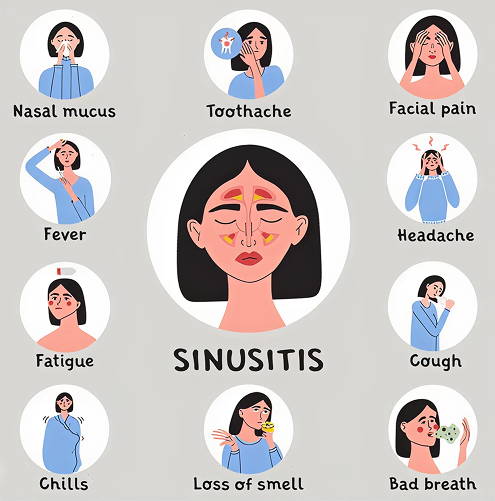
To be diagnosed with CRS, a person must have at least two of the following symptoms for 12 weeks or more:
Symptoms can also be grouped by location:


The following symptoms may suggest complications or another condition and require urgent medical review:
Diagnosis is based on symptoms and test findings, which may include:
CRS treatment may include medications, nasal irrigation, and in some cases, surgery. Newer biologic therapies may be considered for selected patients.
Medical treatments
Your doctor may recommend:
Surgery
If symptoms do not improve with medical treatment, referral to an ENT (ear, nose and throat) surgeon may be recommended.
Surgery may involve removing nasal polyps and improving sinus drainage.
Goals of surgery include:
After sinus surgery, regular nasal rinses are a lifelong treatment.
Monoclonal antibody therapy
Some people continue to have severe symptoms despite specialist care and surgery. These patients may be assessed for monoclonal antibody treatment.
Monoclonal antibodies are laboratory-made immune proteins that target specific inflammatory pathways involved in CRS.
Strict eligibility criteria apply, as this is a high-cost treatment.
Summary
Instant access to allergy care
From quick online questionnaires to one-on-one consultations, we’re here to help you uncover triggers and find lasting relief.