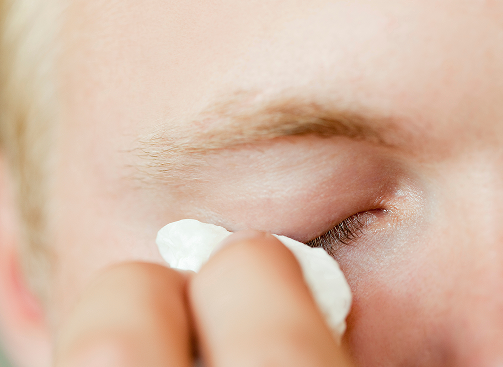
Pet allergies caused by animal dander can trigger sneezing, itchy eyes and breathing symptoms. Learn how exposure occurs and how to reduce allergic reactions.
Animal dander is a common trigger of allergic rhinitis, also known as hay fever. Allergic rhinitis is one of the most common allergic conditions, affecting around one in five people in Australia. Despite its name, it is not caused by hay and does not cause a fever.
Allergic rhinitis occurs when the nose and/or eyes come into contact with allergens in the environment. These allergens may include animal dander, which consists of tiny flakes of skin found in an animal’s fur, hair, or feathers. Proteins in an animal’s saliva and urine can also attach to dander and contribute to allergic reactions.
In people with allergies, the immune system mistakenly identifies these otherwise harmless substances as a threat. This immune response triggers the release of chemicals such as histamine, leading to allergy symptoms.

For some people who are allergic, ongoing or repeated exposure to animal dander can also worsen asthma symptoms or contribute to the development of asthma. This may include coughing, wheezing, chest tightness, or shortness of breath.
Exposure to animal dander may cause symptoms such as:
Reducing exposure to animal dander can help improve symptoms. Strategies may include keeping animals out of bedrooms, washing hands after touching animals, using high-efficiency vacuum cleaners, and seeking advice from a healthcare professional about appropriate allergy treatments.
Instant access to allergy care
From quick online questionnaires to one-on-one consultations, we’re here to help you uncover triggers and find lasting relief.