Chronic rhinosinusitis

Ongoing sinus pressure, congestion and facial discomfort may indicate chronic rhinosinusitis. Learn how persistent inflammation affects the sinuses and what treatments may help.

What is rhinosinusitis?

Sinusitis is inflammation of the lining of the sinuses.
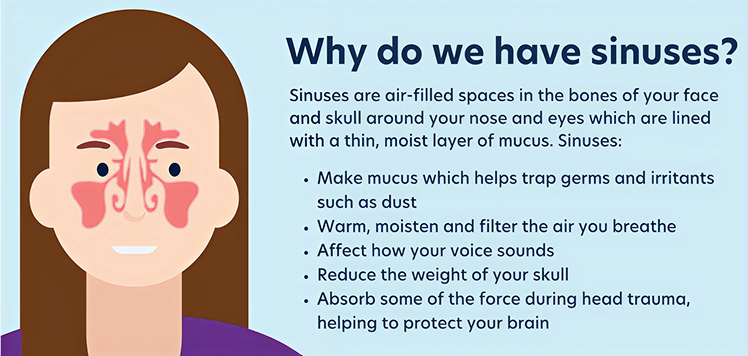
The sinuses are hollow spaces located behind the nose, around the eyes, and within the cheekbones.

Rhinitis is inflammation of the lining of the nose.

The nose and sinuses are connected by narrow drainage pathways. Because of this, inflammation often affects both areas at the same time. This combined condition is known as rhinosinusitis.

Types of rhinosinusitis

Rhinosinusitis is classified according to how long symptoms last:

  • Acute rhinosinusitis – lasts up to 4 weeks
  • Subacute rhinosinusitis – lasts 4 to 12 weeks
  • Recurrent acute rhinosinusitis – occurs 4 or more times per year, with each episode lasting at least 7 days
  • Chronic rhinosinusitis (CRS) – lasts 12 weeks or longer

Acute rhinosinusitis is common and usually follows a viral respiratory infection, such as the common cold.

Chronic rhinosinusitis (CRS)

CRS has a significant impact on quality of life. It is costly for both individuals and the wider community, as it often leads to missed work and increased healthcare costs. CRS mainly affects people of working age.

CRS affects approximately 5–10% of the population and is more common in people with asthma or other allergic conditions.

Allergic rhinitis and CRS

Allergic rhinitis and chronic rhinosinusitis share some symptoms but are different conditions.
Further information is available comparing these two conditions.

Risk factors for CRS

Healthy sinuses depend on:

  • A well-functioning immune system
  • Effective mucus clearance
  • Open drainage pathways

CRS may develop due to factors such as:

  • Smoking
  • Genetic predisposition
  • Severe acid reflux (where stomach acid travels into the throat and sometimes the sinuses)

Environmental factors can also alter the balance of bacteria, viruses, and fungi that normally live in the nose and sinuses.

People with both asthma and CRS should ensure their asthma is well controlled.

People more likely to develop CRS include:

  • Middle-aged and older adults
  • Women
  • Current or former smokers
  • People who are very overweight
  • People who drink large amounts of alcohol

Symptoms of CRS

To be diagnosed with CRS, a person must have at least two of the following symptoms for 12 weeks or more:

  • Blocked or congested nose
  • Runny nose or post-nasal drip
  • Reduced or absent sense of smell
  • Facial pressure or pain

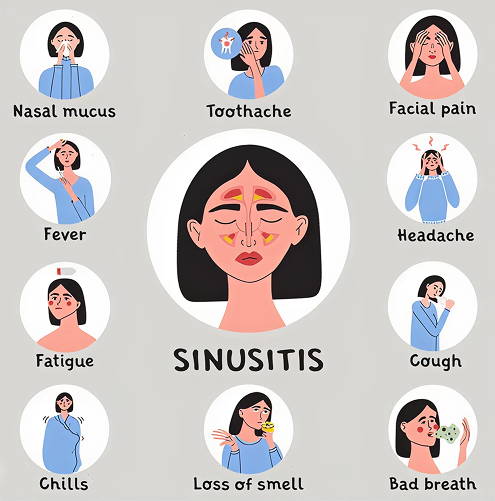
Symptoms can also be grouped by location:

Nasal symptoms

  • Nasal blockage
  • Nasal discharge
  • Reduced sense of smell

Facial symptoms

  • Facial pain, pressure, or headache

Mouth and throat symptoms

  • Ear pain
  • Bad breath
  • Post-nasal drip
  • Persistent cough
  • Toothache

General symptoms

  • Fatigue or feeling unwell due to ongoing inflammation Nasal blockage is the most common symptom, followed by post-nasal drip.

Warning signs

The following symptoms may suggest complications or another condition and require urgent medical review:

  • Facial pain or headache without other sinus symptoms
  • High fever
  • Nasal blockage or discharge on one side only
  • Symptoms worsening on one side
  • Blood in nasal discharge
  • Eye symptoms such as blurred or reduced vision
  • Numbness or tingling in the face
  • Facial swelling or asymmetry
  • Moderate to severe loss of smell

How is this allergy
diagnosed?

Diagnosis is based on symptoms and test findings, which may include:

  • Nasal endoscopy – may show nasal polyps, thick mucus, or swelling around sinus openings
  • CT scan – may show inflamed sinuses, thickened lining, nasal polyps, or blocked drainage pathways

Management of CRS & Medical treatments

CRS treatment may include medications, nasal irrigation, and in some cases, surgery. Newer biologic therapies may be considered for selected patients.

Medical treatments

Your doctor may recommend:

  • Saline nasal rinses that reach the sinuses
  • Intranasal corticosteroid sprays, used daily to reduce inflammation
  • Oral corticosteroids for short-term use only
  • Antibiotics if infection is present
  • Leukotriene antagonists to reduce inflammation
  • Aspirin desensitisation therapy for people sensitive to aspirin or other anti-inflammatory medications

Surgery

If symptoms do not improve with medical treatment, referral to an ENT (ear, nose and throat) surgeon may be recommended.

Surgery may involve removing nasal polyps and improving sinus drainage.


Goals of surgery include:

  • Improving nasal breathing and sinus drainage
  • Enhancing the effectiveness of medications and nasal rinses
  • Removing polyps, fungal material, or mucus build-up
  • Preserving healthy sinus lining

After sinus surgery, regular nasal rinses are a lifelong treatment.

Monoclonal antibody therapy

Some people continue to have severe symptoms despite specialist care and surgery. These patients may be assessed for monoclonal antibody treatment.

Monoclonal antibodies are laboratory-made immune proteins that target specific inflammatory pathways involved in CRS.

Strict eligibility criteria apply, as this is a high-cost treatment.

Summary

  • Chronic rhinosinusitis is a long-term medical condition requiring medical care
  • Treatment may include medications, nasal rinses, surgery, or biologic therapies
  • There is currently no cure, but treatment can significantly improve quality of life
  • Monoclonal antibody therapy may be considered when standard treatments are unsuccessful
  • Following your doctor’s treatment plan is essential for effective management

Instant access to allergy care

Breathe Easier
With Expert Allergy Care

From quick online questionnaires to one-on-one consultations, we’re here to help you uncover triggers and find lasting relief.