Eczema (atopic dermatitis)

Eczema can cause dry, itchy and inflamed skin, often linked with allergic conditions. Learn what triggers flare-ups and how symptoms can be managed.

What is eczema?

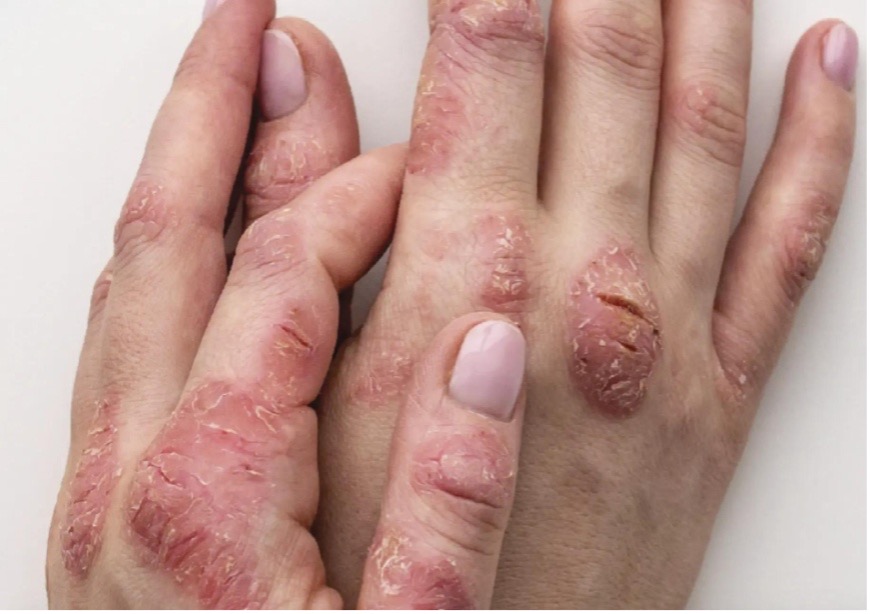
Eczema, also known as atopic dermatitis, is a chronic skin condition that causes dry, itchy, and inflamed skin. The severity can vary greatly—from mild irritation to symptoms that significantly impact quality of life.

Eczema develops when the skin barrier does not function properly. This allows moisture to escape and irritants to enter the skin, leading to dryness, itching, redness (inflammation), and an increased risk of skin infections.

Although eczema most commonly affects young children, it can occur at any age.

People with a family history of eczema, asthma, or allergic rhinitis (hay fever) are more likely to develop eczema. The condition is thought to result from a combination of genetic factors and environmental triggers.

Eczema is the most common type of dermatitis, affecting 15–20% of children and up to 10% of adults.

Eczema triggers

Certain triggers can cause eczema to flare. Some triggers, such as infections, stress, and vaccinations, are unavoidable. For this reason, regular moisturising and prompt treatment of flare-ups are essential.

Avoiding known triggers where possible can help reduce symptoms. Everyone’s triggers are different, so it’s important to notice what worsens your (or your child’s) eczema.

Common triggers and practical tips

Trigger
Try
Skin care products, cosmetics, sunscreen, laundry detergents
Choose products free from perfume, fragrance, plant extracts, and common food allergens
Overheating
Use soft cotton or silk bed sheets; avoid heavy blankets, electric blankets, and heaters in the bedroom
Wool or synthetic fabrics (e.g. nylon)
Wear loose-fitting, 100% cotton clothing
Chlorinated swimming pools
Rinse skin immediately after swimming and apply a thick moisturiser
Tomato sauce or citrus fruits
Apply a thick moisturiser around the mouth before eating
Sitting or playing on sand, carpet, or grass
Use long, lightweight cotton pants, or sit on a towel or rug
Dribbling (babies)
Gently pat skin dry and apply a thick moisturiser around the mouth and chin
Pollens
During high pollen counts, stay indoors where possible and keep windows and doors closed
Scratching
Keep fingernails short and consider cotton gloves at night to reduce skin damage

Instant access to allergy care

Breathe Easier
With Expert Allergy Care

From quick online questionnaires to one-on-one consultations, we’re here to help you uncover triggers and find lasting relief.