
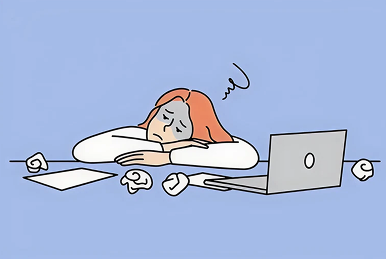
Why Allergies Can Make You Feel Tired

Allergies can affect sleep, breathing and energy levels. Learn why allergic inflammation and poor sleep may contribute to fatigue during allergy flare-ups.

Understanding allergy-related fatigue.

Feeling constantly tired or “worn out” is a common complaint among Australians, particularly those living with allergies. While fatigue is often blamed on poor sleep or stress, allergic conditions themselves are a frequent and under-recognised cause of ongoing tiredness.

How allergies cause fatigue

Allergies trigger an immune response when the body reacts to substances such as pollen, dust mites, mould, or foods. During this response, the body releases chemicals like histamine, which can lead to inflammation and a range of symptoms — including fatigue.

Allergy-related tiredness can occur for several reasons:

Chronic inflammation

Ongoing immune activation places stress on the body, leading to low energy levels.

Poor sleep quality

Nasal congestion, sneezing, coughing, itching, or asthma symptoms can disrupt sleep, even if the person doesn’t fully wake up.

Brain fog

Many people with allergies report difficulty concentrating, slowed thinking, and mental exhaustion.

Medication side effects

Some antihistamines, particularly older “sedating” types, can directly cause drowsiness.

Common allergy conditions linked to tiredness

In Australia, fatigue is frequently associated with:

  • Allergic rhinitis (hay fever): Common during spring and grass pollen seasons, especially in states like Victoria, NSW, and South Australia.
  • Perennial allergies: Caused by dust mites, mould, or pet dander, leading to year-round symptoms.
  • Asthma: Poorly controlled asthma can increase fatigue due to increased breathing effort and disturbed sleep.
  • Food allergies and intolerances: Repeated allergic reactions or chronic gut inflammation can contribute to low energy.
  • Eczema (atopic dermatitis): Persistent itch and night-time scratching significantly reduce sleep quality.

Australia’s climate plays a major role in allergy-related fatigue:

  • High pollen counts: Grass, tree, and weed pollens are major triggers, with longer pollen seasons due to climate change.
  • Thunderstorm asthma events: Sudden pollen fragmentation during storms can cause severe symptoms and exhaustion.
  • Indoor allergens: Warm conditions favour dust mites and mould, especially in humid coastal regions.

When to suspect allergies as the cause of tiredness

Allergies may be contributing to fatigue if tiredness is accompanied by:

  • Nasal congestion, sneezing, or itchy eyes
  • Wheezing, chest tightness, or shortness of breath
  • Itchy skin or rashes
  • Symptoms that worsen seasonally or in specific environments
  • Feeling unrefreshed after sleep

Common allergy conditions linked to tiredness

Your doctor will diagnose allergic rhinitis and/or allergic conjunctivitis based on your symptoms, examination of your eyes and nose, and allergy test results. Skin prick testing and/or blood tests can help identify the specific allergens triggering your symptoms.

Managing allergy-related fatigue

Effective allergy management can significantly improve energy levels. This may include:

  • Accurate diagnosis through allergy testing
  • Trigger avoidance where possible
  • Non-sedating antihistamines
  • Nasal corticosteroid sprays for allergic rhinitis
  • Asthma optimisation
  • Allergen immunotherapy (desensitisation) for suitable patients

Importantly, persistent fatigue should always be assessed by a healthcare professional, as other conditions such as iron deficiency, thyroid disorders, or sleep apnoea may coexist.

Key takeaway

Allergies are more than just sneezing and itchy eyes — they can have a significant impact on energy, concentration, and quality of life. For many Australians, identifying and properly managing allergic disease is a crucial step toward feeling rested, alert, and well again.

Instant access to allergy care

Breathe Easier
With Expert Allergy Care

From quick online questionnaires to one-on-one consultations, we’re here to help you uncover triggers and find lasting relief.