Don’t let red, itchy eyes hold you back.
Understand the causes and find effective relief for
allergic conjunctivitis with our expert-guided care.
Allergic conjunctivitis is inflammation of the conjunctiva — the thin membrane that lines the inside of the eyelids and covers the surface of the eye.
People with allergic conjunctivitis may experience:
Most people who have allergic conjunctivitis also have allergic rhinitis (hay fever).

Seasonal allergic conjunctivitis usually occurs in spring and summer and is caused by pollen. Symptoms can be quite noticeable and sometimes severe.

Perennial allergic conjunctivitis occurs all year round and is usually milder. It is caused by ongoing exposure to allergens such as dust mites, mould, or animal dander.

Your doctor will diagnose allergic rhinitis and/or allergic conjunctivitis based on your symptoms, examination of your eyes and nose, and allergy test results. Skin prick testing and/or blood tests can help identify the specific allergens triggering your symptoms.
Managing allergic conjunctivitis starts with avoiding the trigger where possible. However, many people will still need medication even when allergens are avoided.
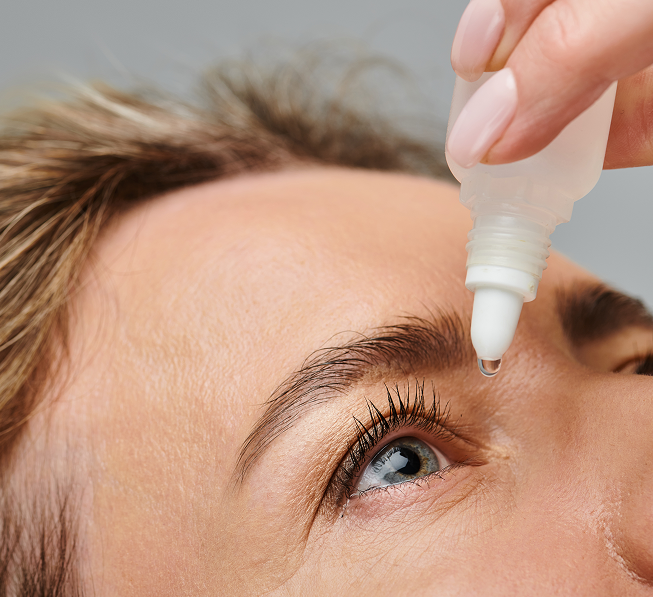
Most cases are treated with antihistamine eye drops, which are usually very effective. Eye drops generally work better than antihistamine tablets or syrups for eye symptoms.
Rinsing the eyes with saline (salt water) drops can also provide relief. Other treatments may include anti-inflammatory eye drops or drops that reduce swelling of blood vessels in the eyes. Some eye drops contain a combination of medications. Speak with your pharmacist or doctor about the most suitable treatment for you.
Treating allergic rhinitis can also help improve allergic conjunctivitis symptoms. More severe forms of allergic eye disease require care from specialist eye doctors and allergy specialists.
Some people need more than one medication to manage allergic rhinitis. Similar to asthma treatment, medicines may be:
Preventers (such as intranasal corticosteroid sprays),
Relievers (such as antihistamines), or
Combination treatments that include both.

Avoid rubbing your eyes, as this can worsen symptoms

Rinse your eyes with artificial tears or saline eye drops (available over the counter)

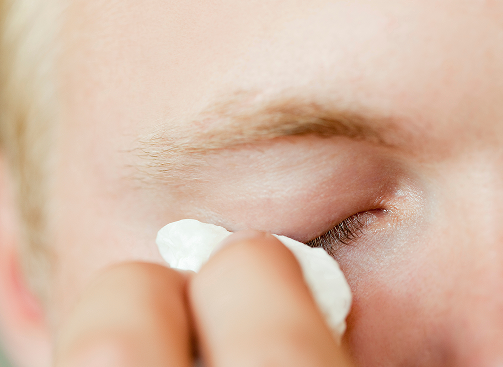
Apply a cool, clean face cloth to reduce discomfort and swelling

Wear a hat and sunglasses to reduce pollen exposure

Shower after being outdoors if pollen triggers your symptoms

Wash your hands before touching your eyes
Instant access to allergy care
From quick online questionnaires to one-on-one consultations, we’re here to help you uncover triggers and find lasting relief.